
Why Regional Australia Can’t Survive Without Sub-40 Seat Aircraft
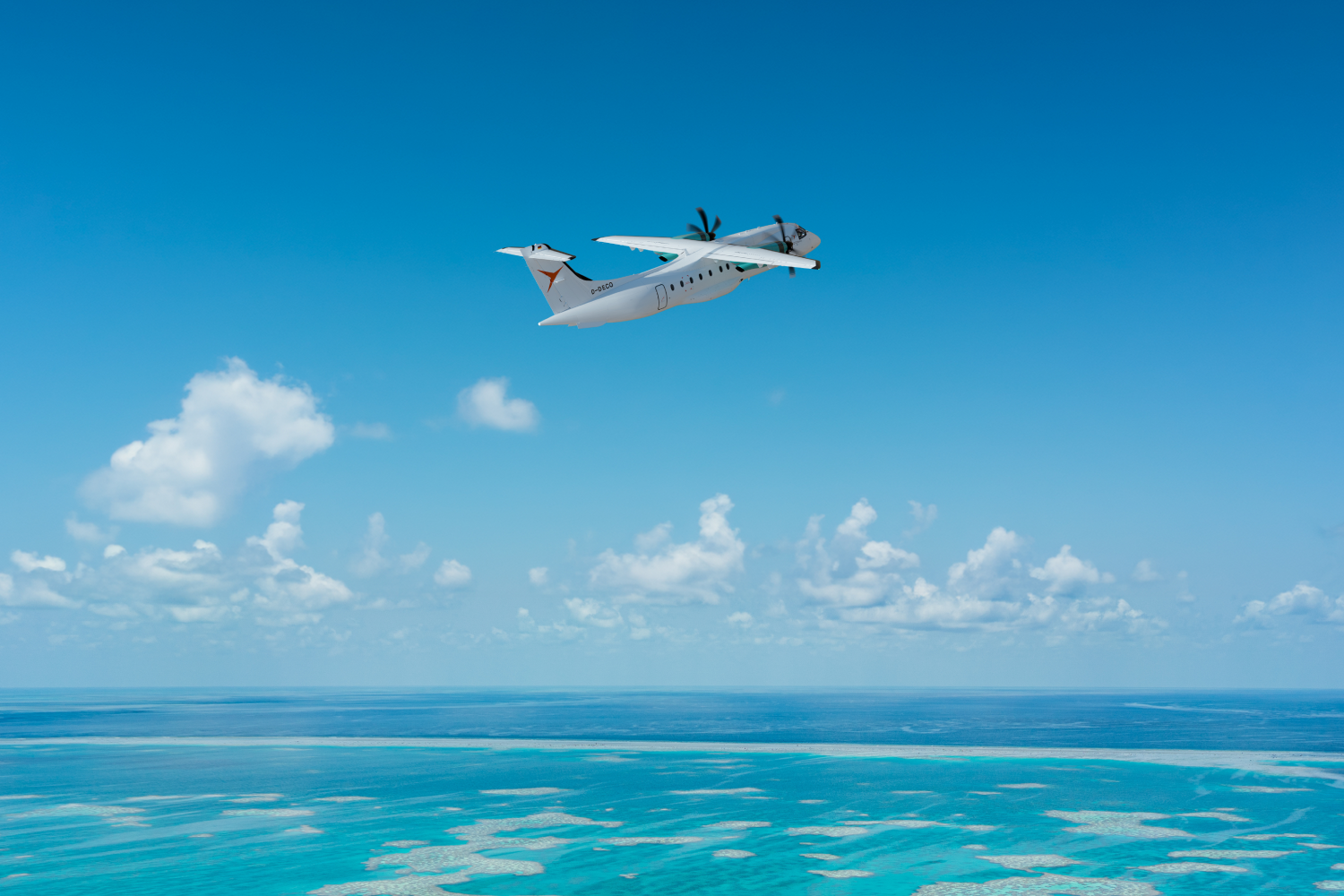
Across Australia’s vast expanse, a sub-40 seat turboprop is far more than a commuter aircraft. It’s how regional businesses and primary industries access remote assets and sustain operations. It’s what brings the fresh supplies, essential workers and tourists that keep outback towns and island communities thriving.
But these vital lifelines are quietly disappearing.
Over the last ten years, Australia’s 30-50 seat fleet has shrunk by an alarming 40%, falling from 118 in-service aircraft to only 70. The trend is identical across Oceania, dropping 32% from 177 in 2016 to just 120. Today, the active fleet is smaller than it was during the peak of the pandemic shutdowns.
.png)
The Reality of Regional Aviation in Australia
The sprawling network of regional air routes across Australia highlights a critical truth: the continent depends on airlines operating 30-50 seat turboprops to service remote communities with short runways and low passenger volumes. Annually, around 1 million passengers travel on turboprop routes operated by the nation’s top two regional operators.
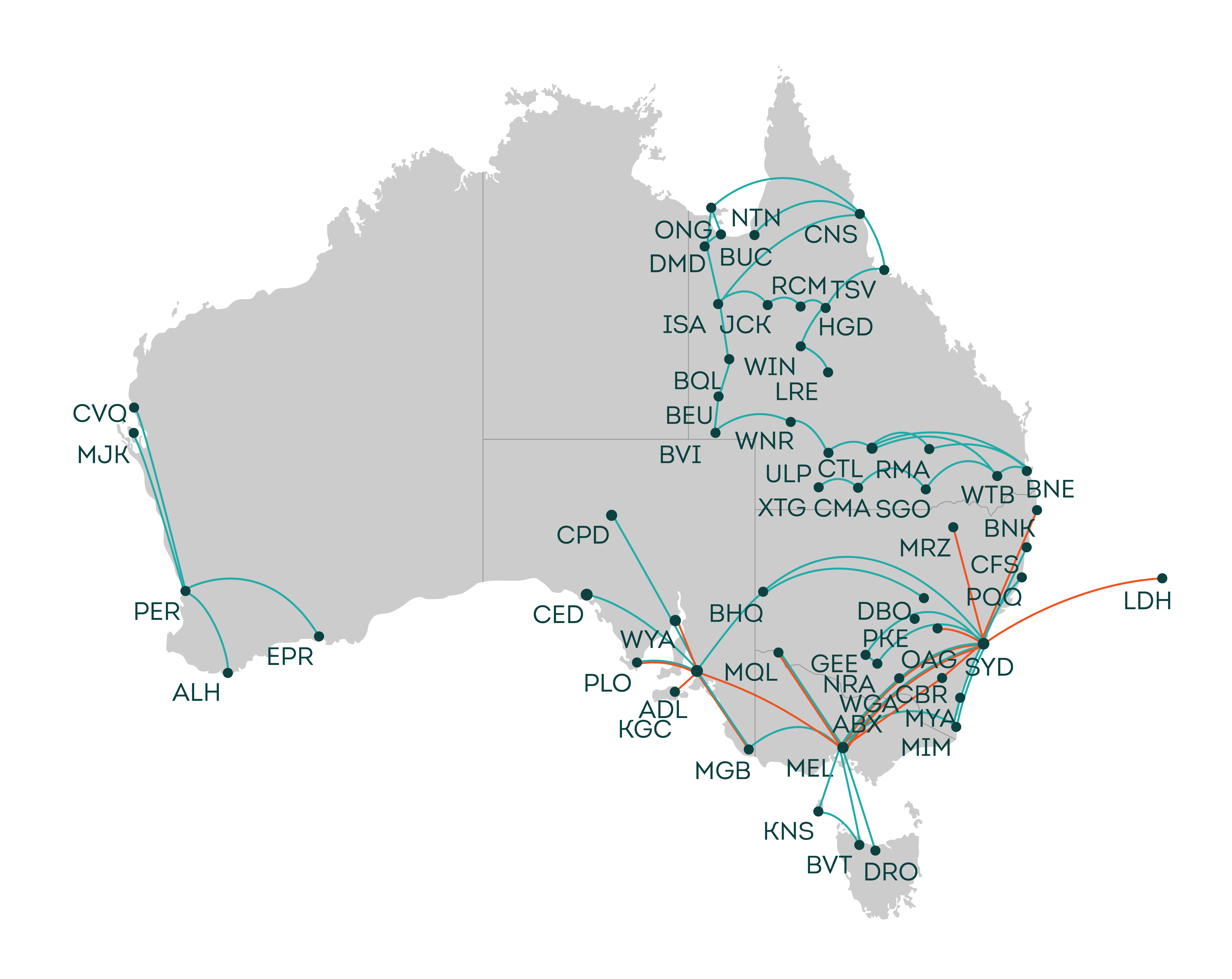
If these aircraft are withdrawn from service, it will sever critical lifelines. Beyond compromising education and specialised medical care, it will stall local tourism, freeze trade and disrupt access for FIFO workforces heading to isolated mine sites and agricultural hubs.
The sheer scale of the country and low population density means that alternative transport simply doesn’t exist. While travellers in Europe can rely on high-speed rail or well-connected highways, the alternative to a one-hour flight in Australia is often a gruelling 12-hour drive through the desert.
Keeping these sub-40-seater lifelines open comes down to three critical factors:
- Short-Field Constraints: The primary barrier for regional airlines is runway length. A clear example is the critical corridor to Lord Howe Island. While major carriers have systematically replaced smaller turboprops with larger 80-seat platforms, this is impossible on the route from Sydney to Lord Howe Island. The 886-metre runway is simply too short for larger, heavier aircraft, making the sub-40 seat category essential for keeping this island community tied to the mainland.
- Driven by Demand: In regional centres, passenger volumes dictate which aircraft to fly. An example of this is the iconic outback "Milk Run", a seven-stop journey hopping from Brisbane to Mount Isa. On these thin outback routes, the average load per sector is around 30 passengers. A right-sized aircraft is required to keep these networks viable; smaller turboprops allow operators to maintain high-frequency schedules while matching capacity to market demand.
- Rugged Runways and Extreme Environments: Remote routes require aircraft built for harsh environments. Across the Pacific islands, aircraft must be light enough to land safely on unpaved, coral-packed strips. This same ruggedness is essential in the outback, where airframes routinely handle gravel runways and blistering 40°C+ summer heat. For operators, smaller turboprops are a necessity to sustain connectivity in the world’s toughest conditions.
The Ageing Fleet Challenge
Today, the backbone of regional aviation in Australia consists largely of legacy workhorses like the Saab 340 and the De Havilland Dash 8-200. With many of these aircraft having entered service in the 1990s, the average age of the 30-50 seat segment is now over 30 years.
.png)
An ageing fleet introduces everyday operational issues that impact resources. A global shortage of engine parts complicates supply chain logistics and drives up operational overhead. Older airframes suffer from lower dispatch reliability, leading to unscheduled maintenance that upends schedules. While some operators are attempting to extend airframe life by refurbishing interiors, cosmetic upgrades do not solve the underlying structural and economic limitations of the present fleet.
For regional operators and industry leaders dependent on remote access, a connectivity crisis is unfolding. Within the next decade, 80% of these aircraft must be replaced, or entire communities risk being cut off.
Sustaining the Regional Fleet: The D328eco® Solution
To preserve the regional networks of Australia and the Pacific, operators require a dedicated sub-40 seat platform that combines operational ruggedness with modern efficiency.
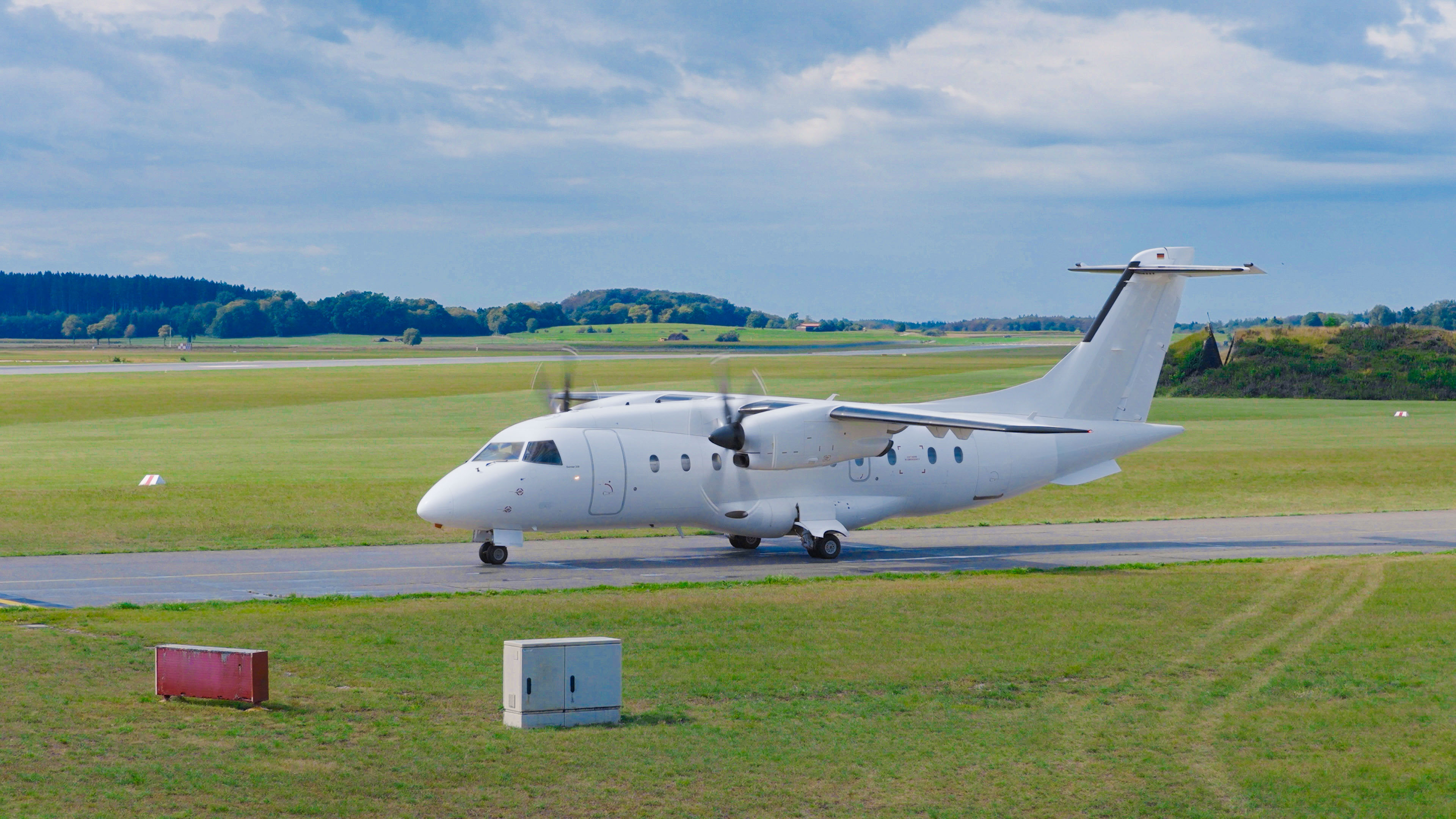
The D328eco from Deutsche Aircraft steps into the space left by retiring legacy fleets, introducing a next-generation, 40-seater turboprop optimised for the specific commercial and operational demands of Australia.
- Uncompromising Performance: In places where the runway is a red dirt strip, the D328eco is designed to excel. From supporting the heavy requirements of the resource sector to reaching students in remote northern communities, its STOL capability allows for operations on unpaved, 800-metre runways where larger aircraft simply cannot land.
- Strategic Sizing: The D328eco hits the sweet spot for regional travel, offering an optimised 40-seat capacity that prevents airlines from flying empty seats. This right size allows operators to run high-frequency schedules profitably and make thin routes viable, while still delivering the quiet, jet-like comfort that modern passengers expect.
- Operational Efficiency: Oceania's unique geography and climate demands operational versatility. Powered by Pratt & Whitney Canada PW127XT-S engines, the aircraft is engineered to maximise fuel economy and lower emissions. Designed to be 100% SAF-compatible, the D328eco can be a true multi-mission workhorse for the region.
The future of regional aviation in Australia depends on a 21st century replacement for the sub-40 seat category. The D328eco is the solution to keeping isolated economies active and vulnerable communities connected. Join the Turboprop (R)evolution.
D328eco Technical Specifications
Seating Capacity 40 passengers
Max Cruise Speed 324 KTAS (600 km/h)
Maximum Range 655 NM (At full passenger capacity)
Take-off Field Length 800m at 70% load factor
Fuel Burn (300 NM) 635 kg (Block fuel with 40 PAX)
Maintenance Impact 40% longer time-on-wing; 20% lower maintenance costs
SAF Compatibility 100% Sustainable Aviation Fuel (Power-to-Liquid)
Emissions Profile Up to 95% CO₂ reduction when operating on 100% PtL
For media enquiries, please contact pressoffice@deutscheaircraft.com

.jpg)


